Understanding and mastering lighting techniques is a critical skill for any photographer striving to elevate their artistry in capturing both human and natural subjects. This article explores a variety of lighting methods to enhance your creative expression, ranging from the flexibility of natural light to the precision of artificial illumination.
Natural Light Techniques
-
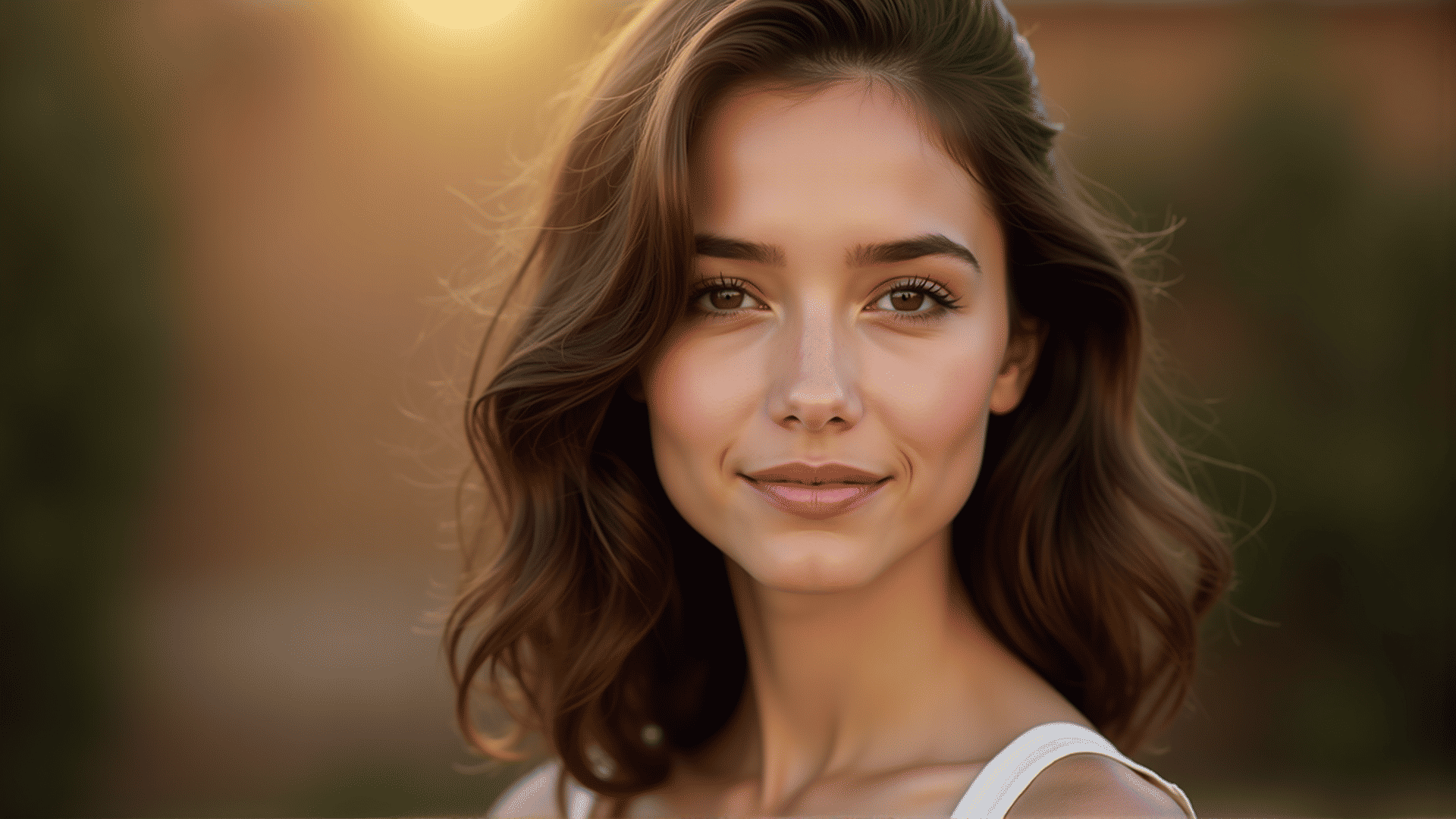
Golden Hour: Perhaps the most cherished time for outdoor photography, the golden hour occurs during the hour after sunrise and the hour before sunset. The soft, warm glow provides flattering illumination for portraits and creates breathtaking landscapes with rich colors and subtle shadows.
-
Backlighting: This technique involves positioning the subject between the light source and the camera, offering a dreamy effect with a glowing rim around the subject. Ideal for both portraits and flora photography, it creates a sense of depth and dimension.
-
Diffused Light: Cloudy days provide a natural diffuser, offering soft and even light that minimizes harsh shadows. This is perfect for nature photography, where capturing details without the interference of strong contrast is essential.
Artificial Light Techniques
-
Softbox Lighting: A favorite setup for portraiture, softboxes diffuse the light source to produce a soft, even light that's gentle on the skin. This technique helps in achieving professional-quality portraits by enhancing features without harsh shadows or overexposed highlights.
-
Ring Light: Often used for portraits and close-up nature shots, ring lights provide an even, circular light that adds a unique catchlight to the eyes and smooths skin tones. They are particularly effective in highlighting intricate details in macro photography.
-
Split Lighting: This technique involves illuminating one side of the subject while the other side remains in shadow. It adds drama and contrast, which can be particularly effective in creating emotive portraits or capturing the rugged textures of nature subjects.
Creative Lighting Techniques
-
Silhouette Photography: To create a silhouette, place the subject against a bright background and expose for the brightest area, thus rendering the subject as a dark shape. This technique is perfect for storytelling in both portrait and landscape photography, evoking a sense of mystery and drama.
-
Colored Gels: Adding colored gels to your light source allows you to bring mood and creativity into your photos. Ideal for experimental projects, gels can transform the ambiance of a scene, offering a spectrum of possibilities for those looking to explore new artistic expressions.
-
Light Painting: By using a slow shutter speed in a dark environment, you can manipulate a light source to create patterns or illuminate specific parts of the scene. This method adds a dynamic element to both portrait and nature photography, resulting in strikingly unique images.
Conclusion
The key to mastering lighting in photography is understanding how different techniques can be used to tell a compelling story. Whether embracing the transformative power of natural light or the controlled precision of artificial sources, every choice impacts the mood and message of the final image. Experimenting with these techniques can unlock new pathways to showcasing your artistic vision, highlighting subjects in ways that captivate and inspire.