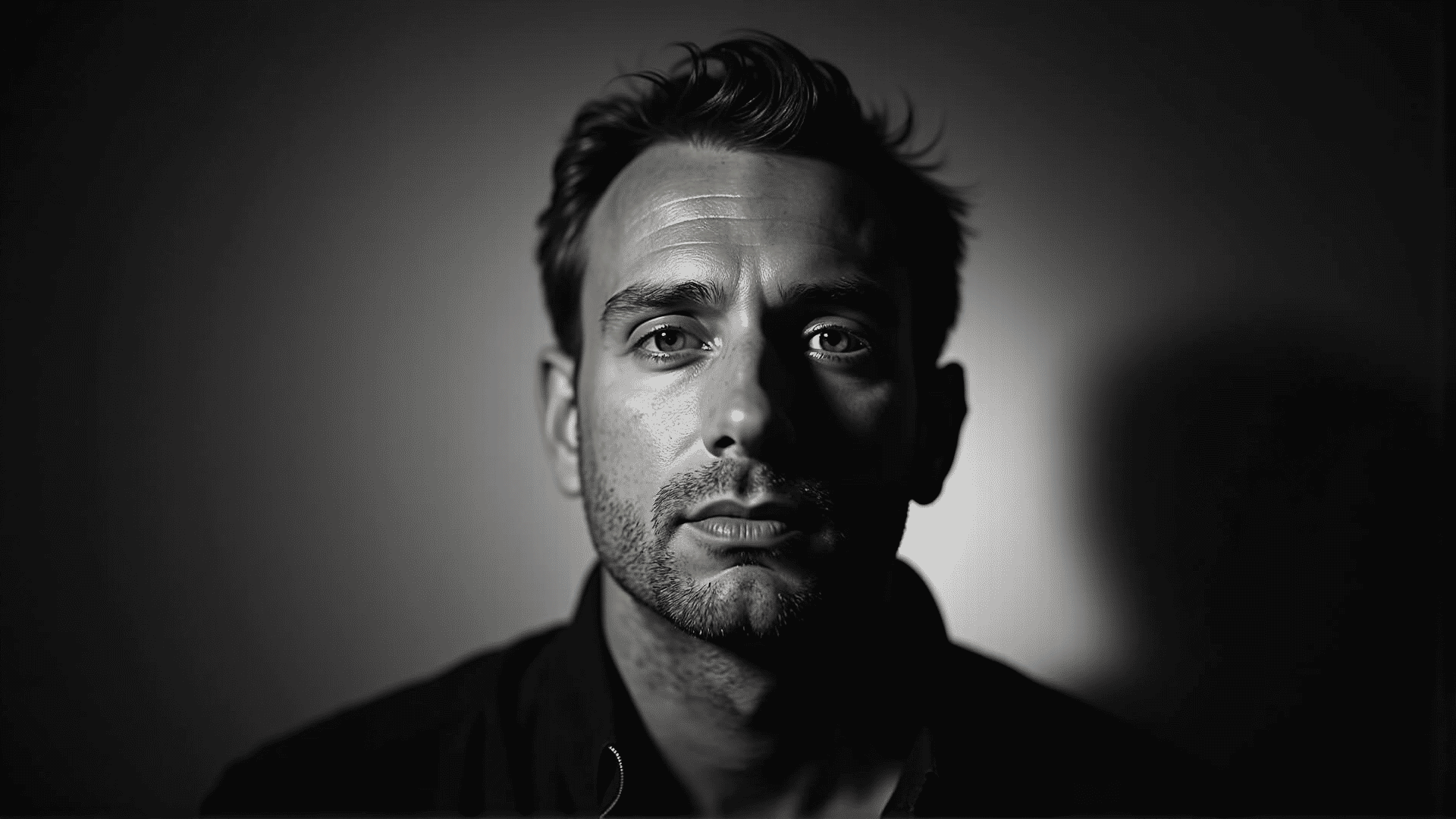
In the world of capturing images, light is the essential magic wand that can transform an ordinary scene into something spectacular. Mastering the art of lighting involves more than just illuminating your subject; it encompasses creating dimension, mood, and emotion that can elevate a simple shot to a masterpiece.
To begin with, understanding the basic types of lighting is crucial. Natural light, a favorite among many, offers a soft and authentic ambiance. It might come in the form of the golden hour's warm glow, creating a serene and natural feel that’s hard to replicate. Embrace the sun; learn its patterns and how its different intensities can alter the mood of your images.
Artificial light, on the other hand, gives you control over your setting. One popular method is softbox lighting, which diffuses light evenly, reducing harsh shadows and creating a gentle, enveloping effect. This is perfect for achieving a polished, clean look while keeping the focus on the subject matter.
The use of side lighting or directional lights can add depth to your images, highlighting textures and emphasizing contrasts. This technique is ideal for adding drama and intrigue, often used to create a sense of mystery with pronounced shadows and dynamic contours.
For those seeking to evoke specific emotions or highlight certain aspects of a scene, color gels can be introduced. By altering the light's hue, you can transform the feel of an image, whether you aim for a cold, sterile effect with blues or a passionate and energetic ambiance with reds. Experimentation with different color temperatures can guide the viewer’s emotional journey, making each photo more engaging.
When aiming to achieve a balanced composition, consider employing three-point lighting, which involves a combination of key light, fill light, and backlight. This approach ensures a well-rounded illumination, preventing your subject from blending into the background while providing enough contrast to maintain interest.
Another vital aspect of lighting is understanding its interaction with shadows. Silhouettes, formed against a strong backlight, can be a powerful storytelling device, leaving elements to the imagination while focusing on shapes and outlines. Shadow play can bring another layer of artistry, transforming mundane environments into captivating narratives.
Remember, creativity in lighting is not just about technical compliance but about experimentation. Break the norms and explore new methods to see how light responds to different environments and subjects. Photography is both an art and a science, and the interplay of light seamlessly merges these disciplines, allowing you to craft a visual story that captivates.
Ultimately, lighting is one of the most versatile tools in a creator's arsenal, shaping the storyline of your images, setting the mood, and ensuring that your artistic vision shines through. With practice and experimentation, you can harness the power of light to illuminate not just your subjects, but also your creative expressions.